Yes, when they are applied properly. Metallic coatings are one of the most effective defences against rust and corrosion, and the whole answer sits inside that qualification. Protecting metal well improves the durability, appearance and working life of a structure, and it only works when every layer and every preparation detail is handled correctly.
A single flaw in the surface, or one area coated too thin, lets moisture and oxygen reach the metal underneath. From there rust spreads, maintenance costs climb, and the strength, reliability and appearance of the structure all decline together. Left alone, untreated metal weakens to the point where the repair is structural rather than cosmetic.
Assessing the surface and the exposure
The first step is a proper look at the metal as it stands. That means identifying how far any rust has progressed, how much moisture the surface sees, and what environment the structure has to survive. An industrial asset needs a stronger system than a decorative one, and the assessment is what decides which. It also decides whether the coating will adhere at all, which is the difference between protection and a film that peels in a year.
Selecting the right coating system
The right coating type balances durability against the conditions it faces. Exposure to chemicals, standing moisture and swings in temperature all point to different systems, and the choice is made against the exposure rather than against a catalog. Industrial applications generally depend on high-performance protective coatings to slow deterioration and hold structural integrity over time.
Preparing the surface
Preparation is where a coating job is won or lost. The surface is cleaned thoroughly, rust is removed, and any contaminant that would interfere with adhesion is taken off before anything is applied. Skipping or shortening this stage is the single most common reason a coating fails early, and no product on the market compensates for it.
Applying the layers
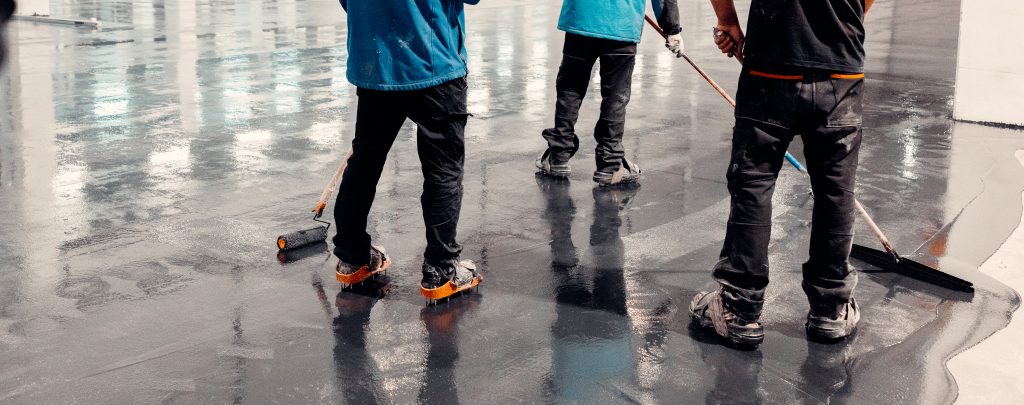
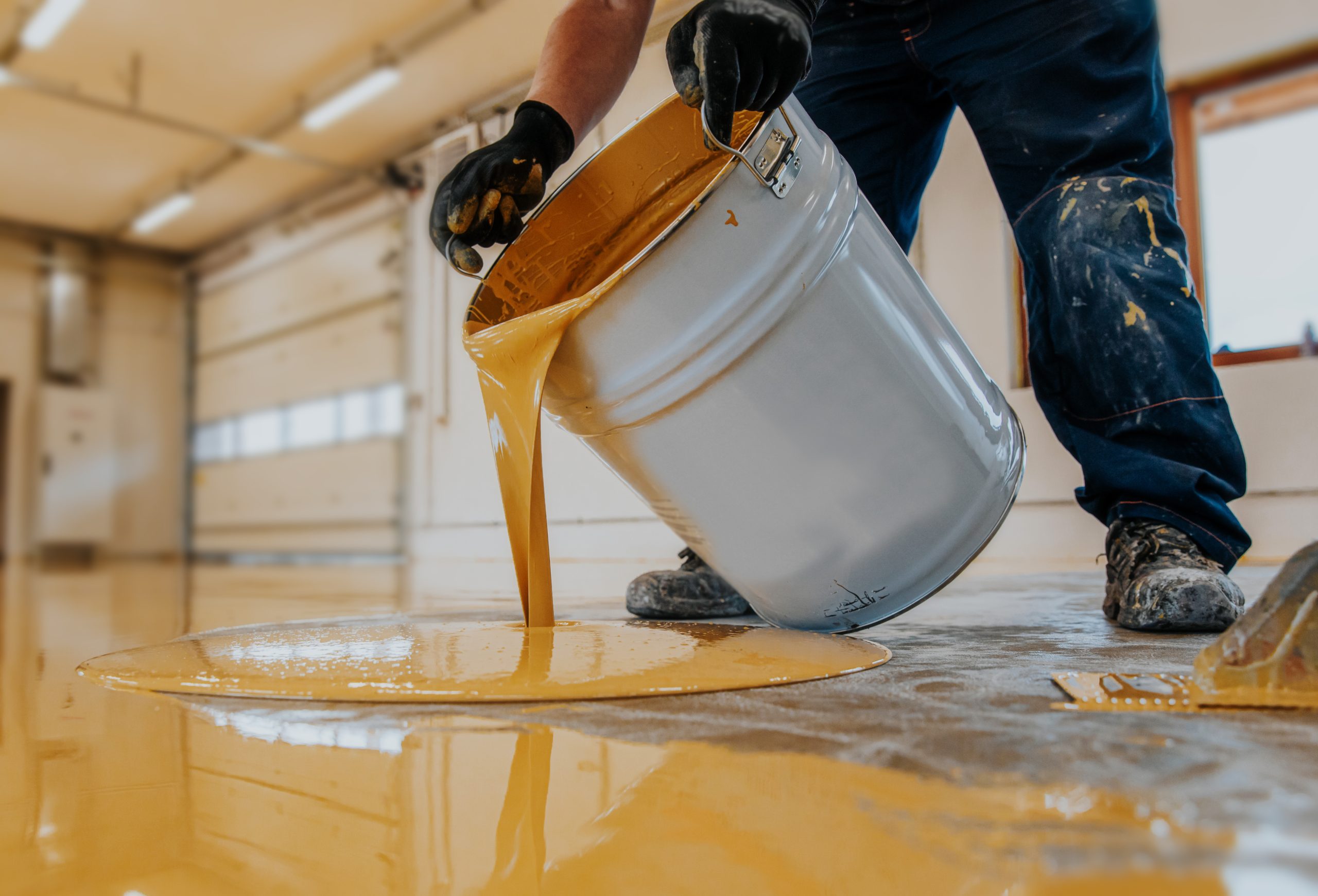
Coatings have to go on evenly and at the specified thickness. Applicators use tools and techniques suited to the surface so coverage is complete and consistent across the whole asset, with no thin spots at edges, welds or corners - which is exactly where corrosion starts. In harsh industrial environments epoxy metal coatings are common, because they combine strong adhesion with chemical resistance.
Corrosion resistance over the long term
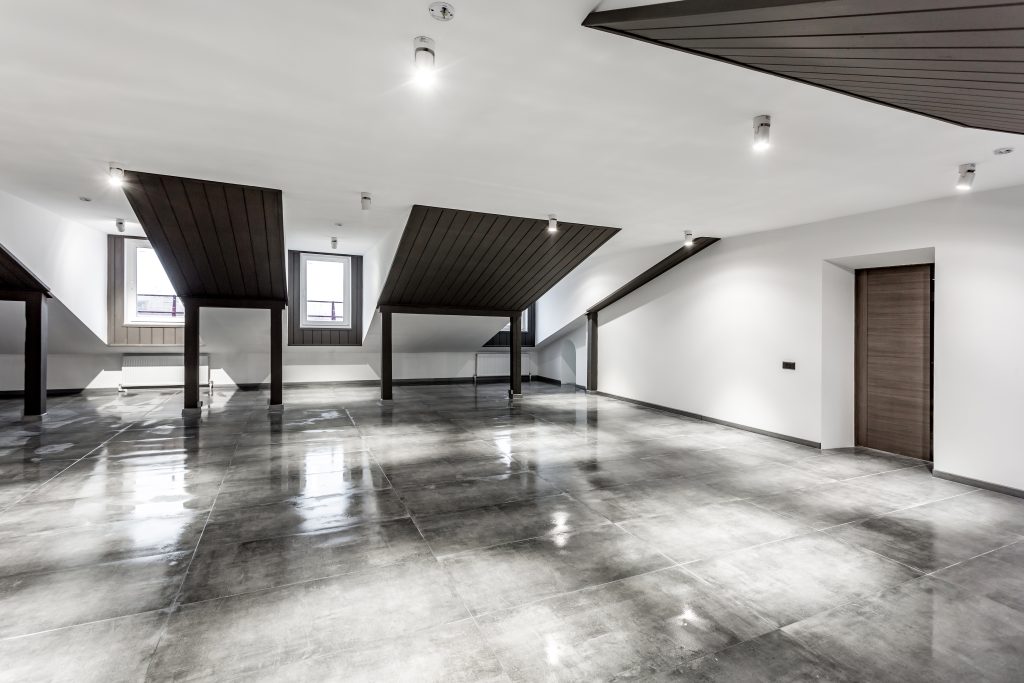
The main advantage of a professionally applied system is protection against rust and oxidation. A corrosion-resistant coating shields the metal from moisture, chemicals and environmental exposure, which extends the working life of structures and equipment substantially. Where appearance matters as well as protection, a metallic finish gives a smooth, durable surface without giving up strength or resistance.
Commercial and industrial applications
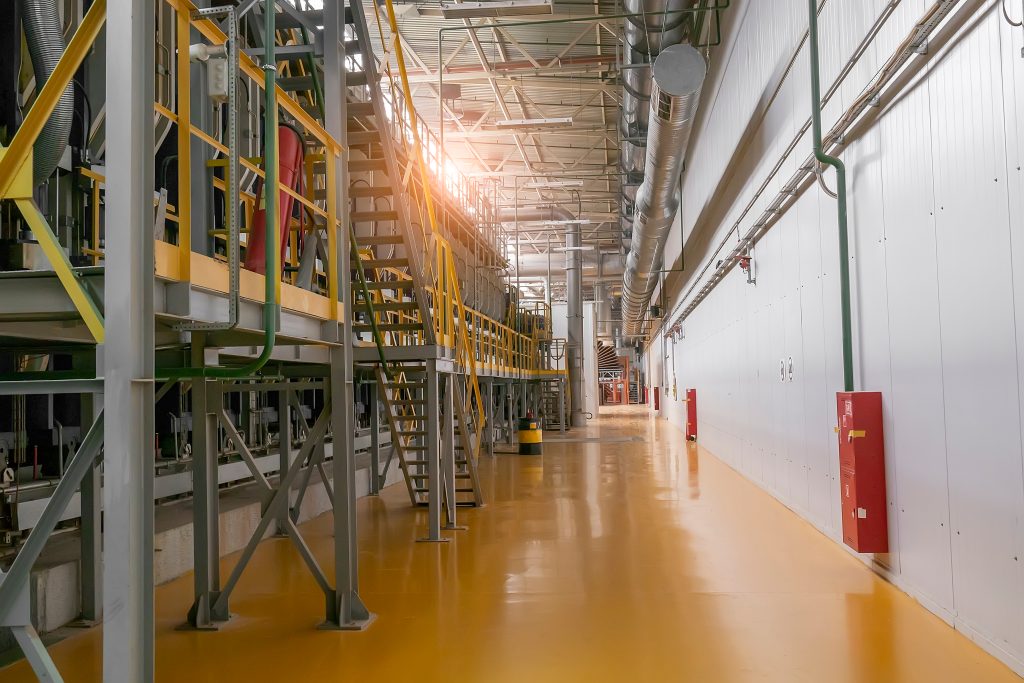
Large commercial and industrial structures need reliable protection to stay efficient and to keep long-term repair costs down. That means consistent coverage, the right system for the exposure, and coatings built to take constant wear, impact and hard operating conditions without losing their hold on the substrate.
Testing and final inspection
After application, the work is checked: coating thickness, adhesion strength and complete coverage. Where a reading falls short, that section is corrected rather than signed off. Inspection is what turns "we coated it" into "it is protected", and it is the stage most likely to be quietly skipped on a cheap quote.
What a properly applied coating gives you
- Ensures long-term durability and strong surface protection
- Improves overall coating performance and effectiveness
- Reduces maintenance and repair costs over time
- Enhances structural reliability and strength
- Extends the lifespan of metal surfaces
- Prevents coating failure caused by improper application
- Provides consistent and high-quality finishing results
- Minimises the risk of corrosion and surface damage
- Delivers reliable and long-lasting protection
- Ensures expert handling for better performance outcomes
Cost over time
Coating work is effective and it is also economical, provided it is judged over the life of the asset rather than on the invoice. Proper planning and application reduce ongoing maintenance, cut future repairs and extend service life, and even small metal structures benefit from a system chosen and applied correctly instead of a coat of paint.
Final thoughts
Applying a metallic coating is not simply covering metal. It is combining durability, protection and performance so that rust and corrosion do not get started in the first place. Assess the surface, choose the right system, prepare properly and apply it correctly, and the structure stays sound. Skip any one of those and the coating becomes decoration.
Call (586) 226-9416 Ask a question
Frequently asked questions
What are metallic coatings used for?
Protecting metal surfaces from rust, corrosion and environmental damage.
How long do metallic coatings last?
They can last many years. How many depends on maintenance and on the conditions the surface is exposed to.
Can metallic coatings be used in industrial areas?
Yes. They are widely used in industrial and commercial environments for long-term protection.
Related services
Working in Pontiac or elsewhere in Metro Detroit? Tell us what the asset is and what it is exposed to.