Flooring is a long-term decision, so it is worth weighing the options properly. Carpet and tile both crack, stain or wear out on a predictable schedule. Polished concrete works with the slab that is already under your building, resists mold and bacteria, and cleans with a dry mop. Here is the case for it, point by point.
The short version
| Finish | Typical service life |
|---|---|
| Carpet | About 5 to 15 years |
| Laminate | About 15 to 25 years |
| Polished concrete | Commonly five to seven decades or more |
Figures are general industry ranges and depend on traffic, maintenance and how well the floor was installed in the first place.
Eleven reasons to look at polished concrete
Tired of scrubbing grout lines, or of the scratch a chair leg leaves in hardwood? These are the arguments that come up most often when people switch.
A long lifespan
Carpet lasts somewhere around 5 to 15 years and laminate around 15 to 25. Polished concrete is in a different category: it is the structural slab, refined, and it commonly stays in service for five to seven decades or longer without replacement.
Low maintenance
Nobody enjoys scrubbing grout or waxing wood. A polished slab does not stain easily and a dry mop keeps it looking the way it did on day one, which is the real reason it is so common in retail and warehouses.
Custom finishes
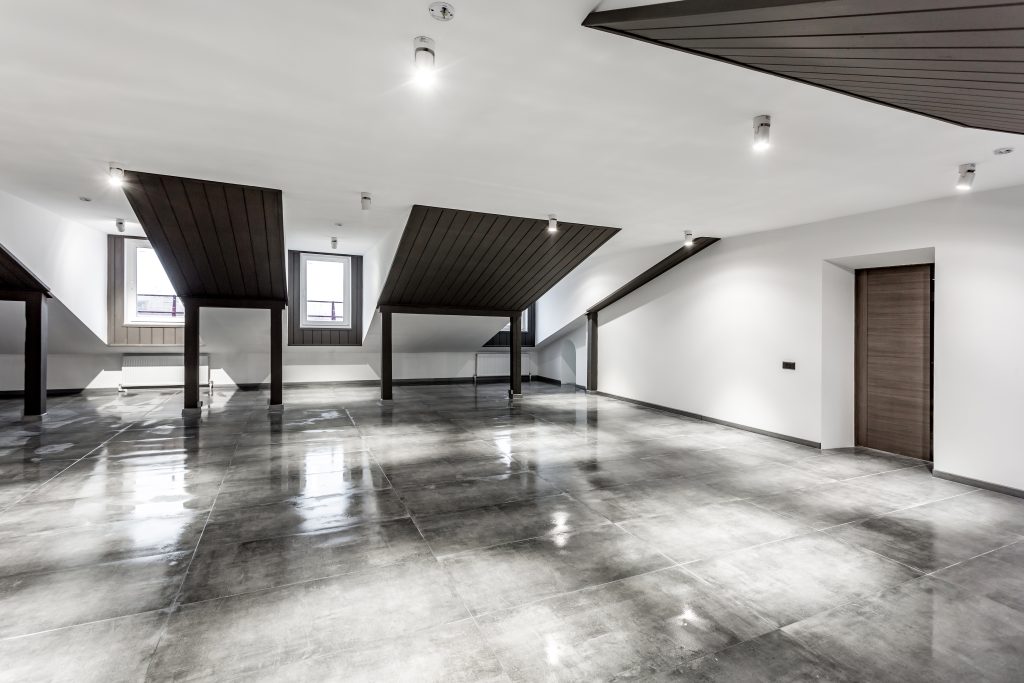
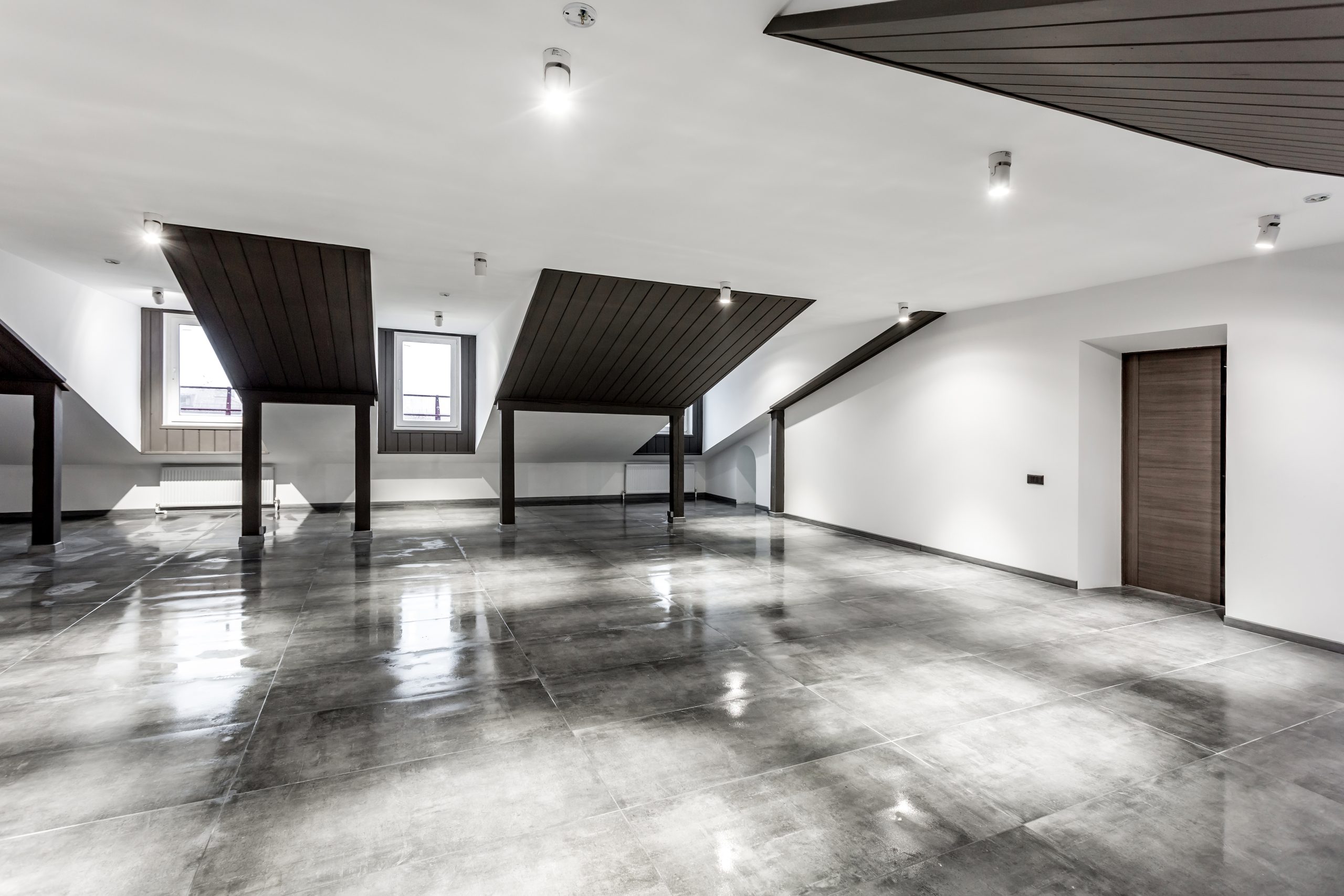
Concrete does not have to mean flat gray. Decorative polished concrete runs from matte through satin to a high gloss, and color can be introduced with dyes, so the finish is a choice rather than a default.
Affordable next to the alternatives
Compared with marble, granite or hardwood, polishing an existing slab is inexpensive, and because the surface resists damage the cost of owning it stays low as well as the cost of installing it.
Thermal mass
Concrete holds heat. A polished slab moderates swings in room temperature and takes some of the load off the heating and cooling system, which matters more in a Michigan winter than in a mild climate.
Better indoor air
Carpet traps pollen, dust and dirt and releases them back into the room. Grinding and polishing produces a smooth, sealed surface with nothing to trap, which is a meaningful difference in a house with allergies or asthma in it.
Environmentally sensible
Making laminate, tile or vinyl consumes raw materials and energy and eventually produces waste. Polishing uses the slab that was poured when the building went up. No new flooring material is manufactured, shipped or thrown away.
Extreme durability
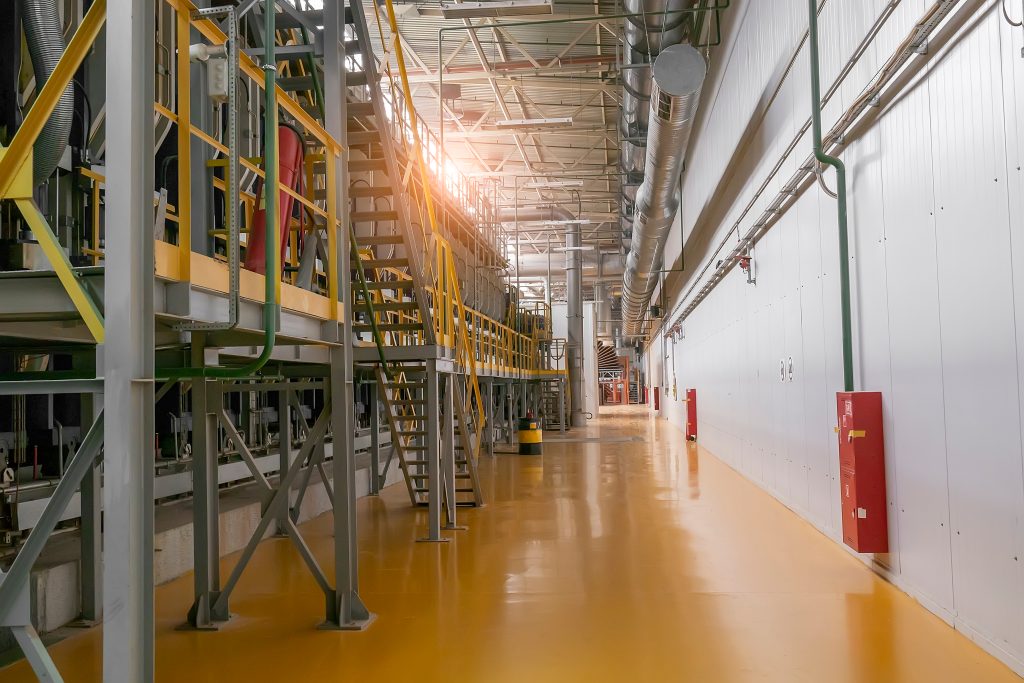
Tile cracks, wood scrapes, vinyl dents. A polished slab does none of those things, which is why it suits garages, basements, workshops and anywhere that sees dragged furniture, heavy foot traffic and dropped tools.
A brighter room
Carpet and wood absorb light. A polished surface reflects it, so a room finished this way reads as larger and brighter without any change to the lighting.
Genuinely cleaner
Professional polishing produces a seamless, monolithic surface. There are no seams, grout lines or gaps for dirt and allergens to hide in, which is why food and medical facilities choose it.
Mold resistance
A properly densified and sealed slab repels water rather than absorbing it. Unlike carpet or wood, there is nothing there to rot, and no organic material for mold to grow on.
Conclusion
Set against traditional materials, polished concrete is more durable, lasts considerably longer, resists stains and mold, and does not require a new material to be manufactured to install it. It is also far more customisable than its reputation suggests. If you want to know what your slab would look like polished, ask us.
Call (586) 226-9416 Ask a question
Frequently asked questions
Can I polish my floors myself?
It is not realistic. The equipment is specialized and the technique matters, and a slab that has been ground badly cannot simply be sanded again like timber.
How long do I have to wait to polish new concrete?
Give a new slab at least 28 days to cure before polishing. Working it earlier risks a poor result on a floor you only get one chance at.
What does professional concrete floor polishing cost?
Commonly between $3 and $15 per square foot, depending on the condition of the slab, the level of gloss you want and how much repair is needed first.
How long does polishing take?
Usually one to five days, depending on the size of the area and the state of the concrete when we start.