Industrial equipment is exposed to moisture, chemicals, heat, friction and airborne contaminants more or less continuously. Without protection, metal corrodes, weakens and fails early, and the bill arrives as repairs plus downtime rather than as a maintenance line. That is why manufacturers and facility managers invest in metallic coatings: to extend equipment life and hold performance steady.
From manufacturing plants and automotive facilities to construction sites and the energy sector, industrial metallic coatings put a reliable barrier between the asset and everything trying to wear it out. They protect what is expensive to replace, and they reduce what has to be spent maintaining it.
Why metallic coatings matter in industrial environments
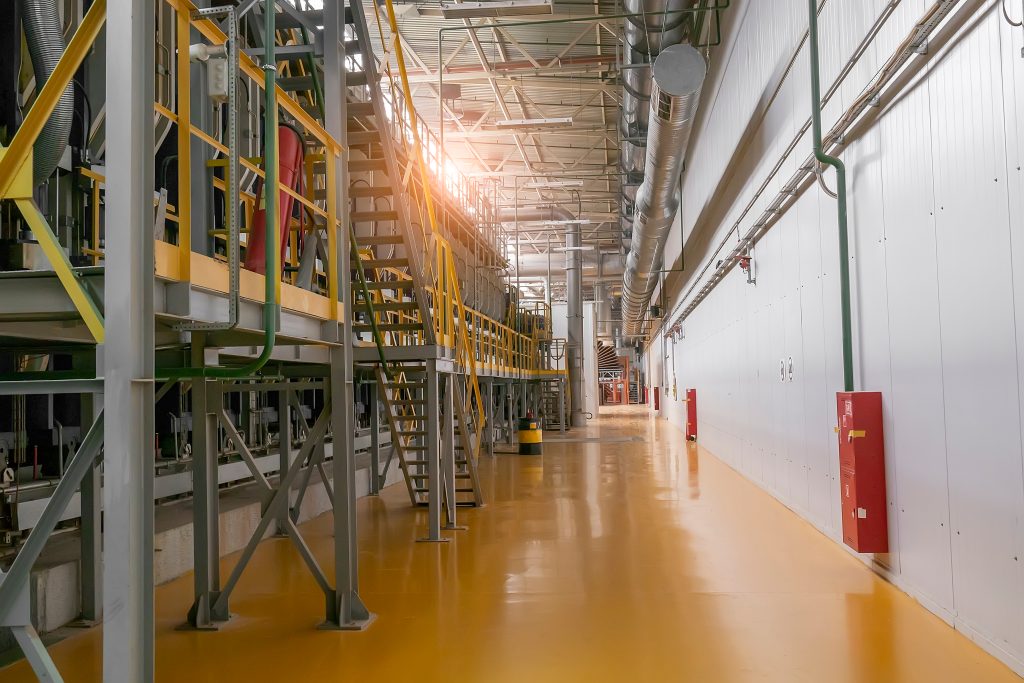
Industrial machinery and metal structures work under demanding conditions. Continuous exposure to water, humidity, chemicals, ultraviolet light and mechanical stress degrades an unprotected surface quickly.
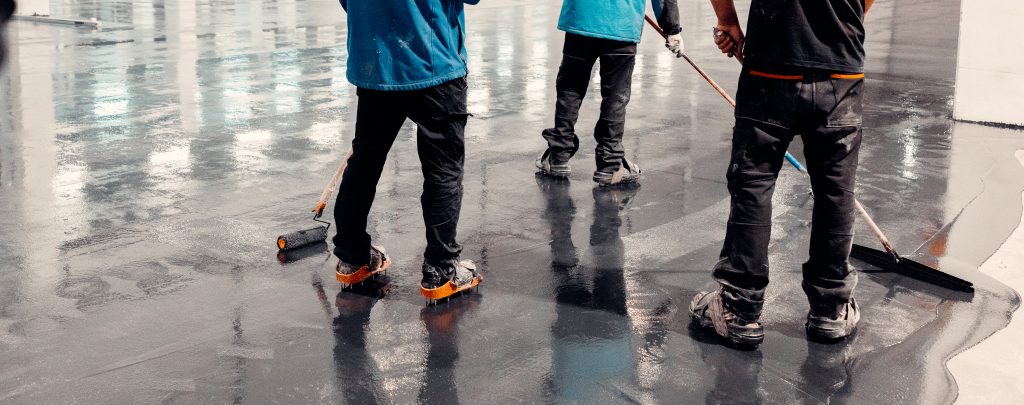
A surface protection coating puts a layer between the metal substrate and everything outside it. That layer preserves structural integrity while keeping the equipment looking and working the way it should for years rather than seasons.
Whether the asset is a pipeline, a storage tank, a production machine or structural steel, coatings remain one of the most effective long-term answers to industrial protection.
Superior corrosion protection
The main reason companies invest in corrosion protection is to stop rust and oxidation before they start. When metal meets oxygen and moisture, corrosion begins; over time rust weakens the material, degrades performance and creates a safety problem.
A rust prevention coating forms a durable shield that keeps corrosive elements away from the metal surface. That protection is particularly valuable in:
- Manufacturing facilities
- Marine environments
- Chemical processing plants
- Oil and gas operations
- Construction projects
Improved wear and abrasion resistance
Industrial machinery lives with friction. Moving components, conveyor systems, gears and production equipment are all vulnerable to wear.
Metal surface protection systems reduce friction and shield the surface from abrasion, which slows deterioration and cuts the frequency of repairs and replacements. Equipment runs more efficiently and maintenance costs stay predictable.
Protection against extreme temperatures
Plenty of industrial processes involve heat that damages a standard metal surface. Specialised coating systems are formulated to take thermal stress and keep their protective properties in those conditions.
Industries that benefit from heat-resistant metallic coatings include:
- Power generation facilities
- Manufacturing plants
- Aerospace operations
- Petrochemical facilities
- Automotive production
Enhanced impact resistance
Tools, machinery and structural components take physical knocks in normal operation. A protective coating adds a layer of defense against dents, chips and surface damage, which matters most in transportation, manufacturing and heavy construction. Less physical damage means both performance and appearance last longer.
A cost-effective alternative to specialty metals
Specifying a highly corrosion-resistant alloy drives manufacturing cost up sharply. Rather than replacing whole components with expensive materials, many businesses coat standard metal instead and get comparable protection for a fraction of the outlay. Durability improves without production expense rising to match.
Easier cleaning and maintenance
Industrial facilities deal with grease, chemicals, dust and contaminants settling on equipment. A smooth, professionally applied coating is far easier to clean and keep clean, which matters most in:
- Food processing facilities
- Pharmaceutical manufacturing
- Medical equipment production
- Electronics manufacturing
Improved operational efficiency
Equipment performance feeds straight into productivity. By reducing corrosion, minimising friction and preventing wear, a durable finish keeps machinery working the way it was specified to. The benefits show up as:
- Reduced downtime
- Lower maintenance costs
- Improved equipment reliability
- Increased productivity
- Extended service life
Support for compliance
Many industries work to strict safety, environmental and operational standards. Protective coatings help meet requirements around:
- Corrosion prevention
- Equipment safety
- Food-grade manufacturing
- Environmental protection
- Structural integrity
Longer equipment life
Replacing industrial equipment is a capital decision. One of the strongest arguments for coatings is that they extend the life of machinery, tooling and infrastructure by protecting against the leading causes of metal deterioration. Instead of replacing assets on a short cycle, organisations keep using what they already own.
Better appearance and surface finish
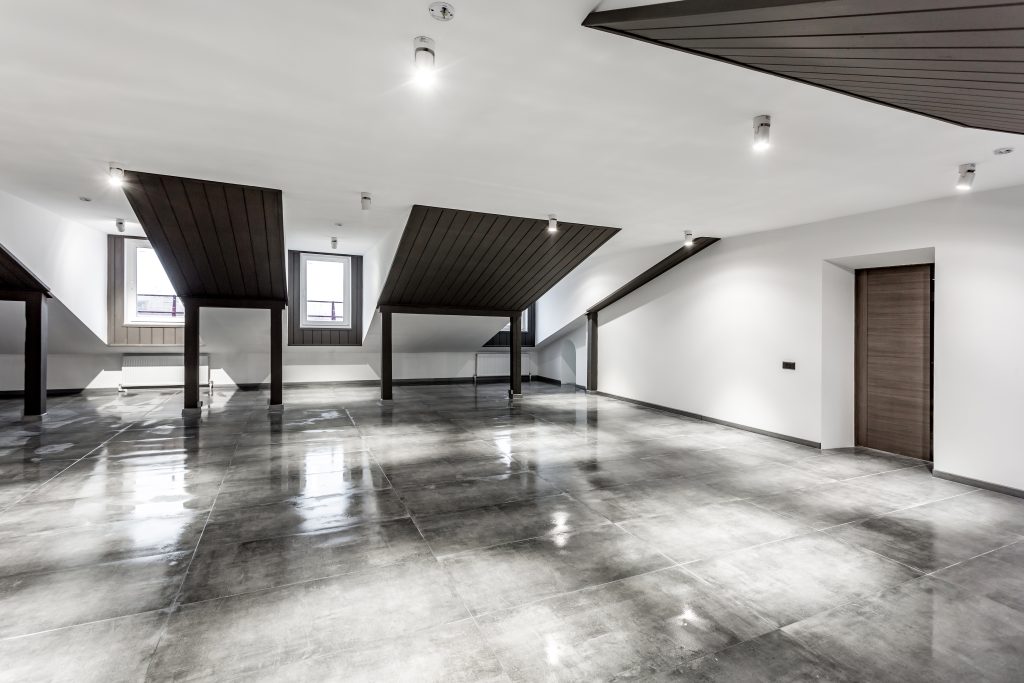
Protection matters most, but appearance is not nothing. Modern coating systems produce finishes that improve how equipment and structural components look, which affects how a facility reads to a visitor or an auditor. Available finishes include:
- Bright metallic finishes
- Matte finishes
- Decorative protective coatings
- High-performance industrial finishes
Environmental benefits
Coatings reduce waste by extending equipment life and cutting the need for replacement materials. Longer-lasting assets mean lower resource consumption, which is a straightforward contribution to a sustainability target rather than a symbolic one.
Conclusion
Coating industrial metal is one of the most effective ways to protect equipment, structural components and other valuable assets. Corrosion resistance, wear protection, better efficiency and lower maintenance cost all come from the same decision, and they apply across a very wide range of industries.
Whether you run a manufacturing facility, a construction company, a processing plant or a transport operation, a professionally applied coating helps you get more out of the equipment you already have. Tell us what the asset is and what it is exposed to, and we will tell you what the sensible system looks like.
Call (586) 226-9416 Ask a question
Frequently asked questions
What are the most common types of metallic coatings?
Hot-dip galvanizing, electroplating, thermal spraying and sherardizing are the usual methods. Each offers different protection depending on the application.
How long do metallic coatings typically last?
Most last somewhere between 10 and 30 years or more, depending on environmental conditions, the coating type and how well it is maintained.
Do metallic coatings prevent rust?
They create a barrier that keeps moisture and oxygen away from the metal surface, which substantially reduces rust and corrosion.
Which industries benefit most from metallic coatings?
Manufacturing, construction, aerospace, automotive, marine, oil and gas, and food processing all use metallic coatings to protect equipment and infrastructure.
How can I tell if a metallic coating is failing?
Look for peeling, blistering, discolouration, bubbling, cracking, rust breaking through, and any visible deterioration of the surface.